
Author Archives: Tatyana Saffo

Large audience attending Crossroads Program Missouri event with speaker presenting on substance abuse awareness, prevention, and addiction recovery support
By on May 14th, 2026 in Uncategorized

Key Takeaways

  • Drug and alcohol counseling for teens in Kansas City can address substance use early before it affects school, relationships, and long-term health.
  • Teen substance abuse often connects to mental health challenges, making counseling an important step in improving emotional stability and behavior.
  • Outpatient counseling programs provide teens with structured support while allowing them to remain engaged in school and daily responsibilities.


Substance use among teens often manifests in subtle behavioral changes that are easy to overlook at first. Parents may notice shifts in mood, declining school performance, or increased secrecy without immediately connecting them to alcohol or drug use. Left unaddressed, these patterns can develop into habits that impact a teen’s health, relationships, and daily life.

Alcohol and drugs affect adolescents differently from adults. Because the brain is still developing, substance use can interfere with memory, decision-making, and emotional regulation, leading to problems at school and at home.

Knowing when to step in matters. Counseling gives teens a structured setting to address substance use while also working through the underlying factors behind it.

Signs Your Teen May Need Drug and Alcohol Counseling in Kansas City

Changes in behavior are often the first sign that something is wrong. These shifts may seem small at first, but can become more noticeable over time.

Common warning signs include:

  • Sudden changes in friend groups
  • Declining grades or lack of motivation
  • Increased secrecy or lying
  • Loss of interest in activities they once enjoyed


These behaviors may indicate experimentation, but repeated patterns can signal a deeper issue. Teens may also become more defensive or avoid conversations about their whereabouts.

When multiple signs appear together, it may be time to consider professional counseling.

How Teen Substance Use Impacts Mental Health and Development

Substance use does not only affect physical health. It can significantly impact a teen’s emotional and mental well-being.

Alcohol and drugs interfere with brain development, especially in areas responsible for impulse control and decision-making. This can lead to increased risk-taking behavior and difficulty managing emotions.

Teens who use substances may also experience:

  • Anxiety or depression
  • Mood swings
  • Difficulty concentrating
  • Low self-esteem


Teen substance abuse often overlaps with mental health concerns
, making it important to address both at the same time. Counseling helps identify these connections and provides tools for managing them.

What to Expect from Drug and Alcohol Counseling for Teens in Kansas City

Counseling offers a structured environment where teens can talk openly and work through challenges without fear of judgment.

A typical program may include individual therapy, group sessions, and family involvement. Each part helps teens build healthier habits and coping strategies.

Here is a simple overview:

Counseling Component

Purpose

Individual Therapy

Focus on personal challenges and triggers

Group Therapy

Build peer support and shared understanding

Family Sessions

Improve communication and trust

Programs are often flexible, allowing teens to continue school while receiving care. This balance helps maintain stability while addressing substance use.

Types of Therapy Used in Teen Substance Abuse Treatment Programs

Different therapy approaches are used to address the unique needs of adolescents. These methods focus on both behavior and emotional health.

Common therapy types include:

  • Cognitive behavioral therapy to change negative thought patterns
  • Motivational interviewing to build internal motivation for change
  • Family therapy to strengthen communication and support

Each approach helps teens better understand their behavior and develop healthier ways to respond to stress or pressure.

Effective treatment focuses on both the symptoms and the root causes of substance use. This allows for lasting change rather than temporary improvement.

Benefits of Outpatient Counseling for Teens in Kansas City, MO

Outpatient counseling provides structured support without requiring teens to leave their daily environment. This makes it a practical option for many families.

Key benefits include:

  • Flexibility to attend school and maintain routines
  • Access to professional support several times per week
  • Opportunities to apply coping skills in real-life situations


Outpatient programs can be highly effective for teens who need consistent guidance but do not require residential care.

This approach also allows families to stay actively involved, which can strengthen outcomes.

How Family Involvement Supports Teen Recovery from Substance Use

Family support plays a critical role in helping teens overcome substance use challenges. Without it, progress can be difficult to maintain.

Counseling often includes family sessions that focus on communication, boundaries, and trust. These sessions help parents better understand what their teen is experiencing and provide tools to support them.

Strong family involvement can:

  • Improve communication
  • Reduce conflict
  • Create a stable home environment


When families work together, teens are more likely to stay engaged in treatment and make lasting changes.

Choosing the Right Teen Counseling Program in Kansas City, MO

Finding the right program can feel overwhelming, but a few key factors can help guide the decision.

Look for programs that offer:

  • Licensed professionals with experience in adolescent care
  • Structured outpatient services
  • A focus on both substance use and mental health

Choosing the right fit can make a significant difference in how a teen responds to treatment.

Get Help Today with Teen Drug and Alcohol Counseling at The Crossroads Program

If your teen is struggling with substance use, taking action now can prevent more serious problems later. Early support can improve emotional health, restore stability, and help teens regain control of their choices.

At The Crossroads Program in Kansas City, MO, we provide structured outpatient care for teens facing drug and alcohol challenges. Our approach addresses both behavior and mental health, giving teens the tools they need to move forward with confidence.

If you are ready to take the next step, contact The Crossroads Program today. Our team is here to help your family find the right path forward.

FAQs

You may notice behavior changes, declining grades, secrecy, mood swings, or loss of interest in activities they once enjoyed.

Counseling helps teens understand their behavior, build coping skills, and address underlying emotional or mental health concerns.

Yes, outpatient programs allow teens to continue attending school while receiving structured support several times a week.

Family involvement improves communication, builds trust, and helps create a supportive environment that reinforces progress made in treatment.

There are several counseling options in and around Kansas City, including outpatient programs like The Crossroads Program that specialize in teen care.
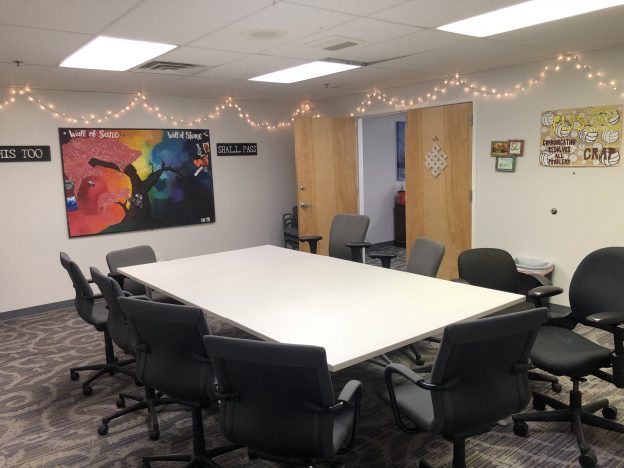

Group therapy room at Crossroads Program with chairs around table, motivational wall art, and welcoming space for addiction recovery meetings
By on May 14th, 2026 in Uncategorized

Key Takeaways

  • Common signs of teenage alcohol abuse include sudden behavior changes, mood swings, secrecy, and declining school performance.
  • Risk factors for underage drinking often involve peer pressure, mental health struggles, family history, and easy access to alcohol.
  • Early intervention and teen-focused alcohol treatment can reduce long-term damage to brain development, emotional health, and future well-being.


Teen alcohol use can begin quietly, often masked as typical adolescent behavior. Many parents and caregivers question whether certain changes are just part of growing up or something more serious. The reality is that
underage drinking can quickly shift from experimentation into a harmful pattern, especially when warning signs are overlooked.

Alcohol affects developing brains differently from adult ones, making early recognition critical. Subtle shifts in mood, declining school performance, or new social circles may point to a deeper issue. Paying attention to these signals allows families to act before consequences escalate.

Understanding what to look for and how these patterns develop can make all the difference. The sections below walk through the most common indicators, helping you recognize when it may be time to step in and seek professional support.

Early Warning Signs of Teenage Alcohol Abuse

Recognizing the earliest signs can prevent more serious problems later. These indicators often appear gradually and may seem minor at first.

Common early warning signs include:

  • Sudden changes in friend groups
  • Increased secrecy or defensiveness
  • Loss of interest in hobbies or activities
  • Declining grades or skipping school


These behaviors may reflect experimentation, but when they occur together or intensify over time, they can signal a developing issue. Teens may also begin lying about their whereabouts or avoiding family interactions.

The key is noticing patterns rather than isolated incidents. A single bad grade or mood swing may not signal a problem, but repeated changes deserve attention.

Behavioral Changes That May Signal a Problem

Behavior often shifts before physical symptoms appear. Teens struggling with alcohol misuse may act in ways that feel unfamiliar or out of character.

You might notice increased irritability, aggression, or impulsive decisions. Some teens become withdrawn, while others engage in risk-taking behavior, such as unsafe driving or rule-breaking.

Here’s how these changes may present:


Behavior

What It May Indicate

Frequent lying

Hiding alcohol use

Skipping responsibilities

Loss of control or motivation

Sudden defiance

Emotional distress or substance influence

Risky choices

Impaired judgment


These patterns can disrupt family life and relationships. Over time, they may escalate into more serious consequences, including legal or academic trouble.

Physical and Emotional Symptoms of Underage Drinking

Alcohol use impacts both the body and emotional well-being. While some signs are obvious, others are easier to miss.

Physical symptoms may include:

  • Bloodshot eyes
  • Slurred speech
  • Changes in sleep patterns
  • Unexplained fatigue


Emotionally, teens may struggle with anxiety, depression, or sudden mood swings. Alcohol can intensify these feelings, creating a cycle that is difficult to break.

Teenage alcohol abuse is especially concerning because the brain is still developing. Regular drinking can affect memory, decision-making, and emotional regulation, leading to long-term challenges.

Risk Factors That Increase Teen Alcohol Abuse

Certain factors make some teens more vulnerable to alcohol misuse. Identifying these risks can help families take preventive steps.

Common risk factors include:

  • Peer pressure or social environments where drinking is normalized
  • Family history of substance use
  • Mental health struggles, such as anxiety or depression
  • High levels of stress from school or social expectations


Environmental influences also play a role. Easy access to alcohol or a lack of supervision can increase the likelihood of use.

While not every teen with these risk factors will develop a problem, awareness allows parents to stay proactive and engaged.

The Impact of Alcohol Abuse on Teen Brain Development

The teenage brain is still forming, particularly in areas responsible for decision-making and impulse control. Alcohol interferes with this development in ways that can have lasting effects.

Short-term impacts include:

  • Poor judgment
  • Memory lapses
  • Difficulty concentrating


Long-term effects may involve reduced cognitive function and increased risk of addiction later in life.

Even occasional binge drinking can disrupt brain development, making early intervention critical. The earlier alcohol use begins, the greater the potential impact on mental and emotional health.

When Experimentation Becomes Alcohol Dependence

Not all teens who try alcohol will develop dependence, but repeated use can quickly lead to a pattern that is harder to control.

Signs that experimentation is becoming a problem include:

  • Needing alcohol to relax or cope with stress
  • Drinking alone or in secret
  • Increasing tolerance, requiring more alcohol to feel the same effects
  • Experiencing withdrawal symptoms like irritability or restlessness


At this stage, alcohol use is no longer casual. It begins to interfere with daily life, relationships, and responsibilities.

Recognizing this shift early can prevent long-term consequences and open the door to effective treatment.

How Parents Can Talk to Teens About Alcohol Use

Conversations about alcohol can feel uncomfortable, but open communication is one of the most effective tools parents have.

Approach the conversation calmly and without judgment. Teens are more likely to respond when they feel heard rather than criticized.

Helpful strategies include:

  • Asking open-ended questions
  • Listening without interrupting
  • Sharing concerns clearly and honestly
  • Setting clear expectations and boundaries


Timing matters as well. Choose a moment when your teen is calm and receptive, rather than during conflict.

Building trust over time encourages teens to be more open about their experiences and challenges.

When to Seek Help for Teenage Alcohol Abuse Treatment

There are times when professional support becomes necessary. If alcohol use is affecting your teen’s health, behavior, or daily life, it may be time to reach out.

Warning signs that indicate the need for help include:

  • Repeated attempts to stop drinking without success
  • Ongoing academic or legal issues
  • Significant changes in mood or personality
  • Isolation from family and positive influences


Treatment options vary depending on the level of need.
Intensive outpatient programs offer structured support while allowing teens to continue school and daily activities.

Early intervention improves outcomes and helps teens regain control before patterns become deeply ingrained.

Get Help Today at The Crossroads Program for Teen Alcohol Abuse

Recognizing the signs of teenage alcohol abuse can feel overwhelming, but you do not have to handle it alone. Taking action early can protect your teen’s health, relationships, and future.

At The Crossroads Program in Missouri, our team provides focused care for teens facing substance use challenges. We offer structured outpatient support that addresses both the emotional and behavioral aspects of alcohol misuse.

If you are concerned about your teen, now is the time to reach out. Contact The Crossroads Program today to speak with a member of our team and take the first step toward real change.

FAQs

Early signs often include changes in behavior, secrecy, declining school performance, and shifts in friend groups.

Look for physical signs like the smell of alcohol, bloodshot eyes, and changes in mood or behavior that seem out of character.

Alcohol affects the developing brain, impacting memory, decision-making, and emotional control, which can lead to long-term issues.

Concern is warranted when drinking becomes frequent, secretive, or begins to affect school, relationships, or health.

Options include counseling, therapy, and outpatient programs like those offered at The Crossroads Program, tailored for teens.

Comfortable waiting room at Crossroads Program Missouri with seating and calming environment for addiction treatment, recovery support, and client care
By on May 13th, 2026 in Uncategorized

Key Takeaways

  • Teen drug and alcohol addiction often develops through behavior changes, emotional struggles, and social influences that build over time.
  • Parents play a critical role by recognizing warning signs early and choosing the right level of treatment and support.
  • Structured programs, such as intensive outpatient care, help teens recover while staying connected to family, school, and daily life.


If you are concerned your teen may be struggling with drugs or alcohol, it can be difficult to know what to do next. Many parents notice changes but are unsure whether they point to something serious.

Teen substance use often begins gradually. What may seem like normal behavior can start to affect school performance, relationships, and emotional stability. Waiting too long can make these patterns harder to change.

At The Crossroads Program, we work with families who are facing these concerns, helping teens build healthier habits through structured outpatient care that fits into daily life.

This guide will walk you through what to look for, what causes substance use, and how to support your teen in a practical and informed way.

Understanding Teen Drug And Alcohol Addiction

Teen addiction is different from adult addiction in both how it develops and how it is treated.

Teen drug and alcohol addiction refers to repeated substance use that begins to affect a young person’s behavior, emotional health, and ability to function in daily life.

How Addiction Develops In Teens

Adolescents are still developing decision-making and impulse control skills. Because of this, repeated substance use can quickly turn into a pattern. What starts as occasional use may become more frequent, especially when substances are used to cope with stress or emotions.

Why Teens Are More Vulnerable To Substance Use

Teens are more likely to take risks and be influenced by peers. Their brains are still developing, which makes them more sensitive to the effects of substances.

Understanding how addiction develops makes it easier to recognize the warning signs.

Signs Your Teen May Be Struggling With Substance Use

Recognizing the signs early can help prevent more serious consequences.

Behavioral And Emotional Changes

Behavioral changes are often the first indicators. These may include mood swings, irritability, secrecy, or a loss of interest in activities.

Physical And Social Warning Signs

Physical signs may include fatigue, changes in sleep patterns, or a decline in personal hygiene. Socially, teens may withdraw from family or shift friend groups.

Rather than focusing on a single sign, it is more helpful to look for patterns across different areas of life.

What Causes Teen Drug And Alcohol Use

Substance use is often connected to underlying factors rather than a single cause.

Peer Pressure And Social Influence

Teens may feel pressure to fit in with peers who are experimenting with substances. Social environments can play a large role in early use.

Mental Health And Coping Challenges

Anxiety, depression, and stress can lead teens to use substances as a way to cope. Without healthy strategies, this pattern can continue.

Family And Environmental Factors

Family dynamics, stress at home, and access to substances can also influence behavior.

Understanding these causes helps guide how parents approach conversations and support.

How To Talk To Your Teen About Drug And Alcohol Use

Starting a conversation can feel uncomfortable, but it is one of the most important steps you can take.

Starting The Conversation Without Conflict

Approach your teen calmly and without judgment. Focus on expressing concern rather than making accusations.

What To Say And What To Avoid

Ask open-ended questions and listen carefully. Avoid reacting emotionally, as this can shut down communication.

Building Trust And Open Communication

Consistency matters. Creating an environment where your teen feels heard can make it easier for them to open up over time.

Once communication is established, many parents begin to explore treatment options.

Treatment Options For Teen Drug And Alcohol Addiction

Choosing the right level of care depends on your teen’s needs.

Outpatient And Intensive Outpatient Programs

Outpatient care allows teens to attend therapy while living at home.

An intensive outpatient program for teens provides more structure, with therapy several times per week. This level of care offers consistent support while allowing teens to stay in school and maintain daily routines.

When More Structured Care May Be Needed

In some cases, a higher level of care may be necessary if substance use is severe or safety is a concern.

Role Of Therapy And Family Support

Treatment often includes individual therapy, group sessions, and family involvement. These components work together to address both behavior and underlying causes.

How Parents Can Support A Teen In Recovery

Support at home plays a major role in long-term progress.

Creating A Supportive Home Environment

A stable and supportive environment can help teens feel safe and understood.

Setting Boundaries And Expectations

Clear expectations and consistent boundaries help reinforce positive behavior.

Encouraging Healthy Habits

Encouraging routines such as regular sleep, school attendance, and positive activities can support recovery.

What Support Looks Like At Home


Area Of Support

Example Actions

Communication

Regular check-ins, active listening

Structure

Consistent routines and expectations

Accountability

Clear rules and follow-through

Encouragement

Positive reinforcement


This kind of support helps teens apply what they are learning outside of treatment.

Getting Help For Teen Addiction As A Parent

When To Seek Professional Support

If substance use is affecting your teen’s behavior, relationships, or school performance, it may be time to seek help.

Taking The First Step

Reaching out can feel difficult, but it is an important step in addressing the issue early.

Contact Our Teen Treatment Program

At The Crossroads Program, we provide structured outpatient care that helps teens build healthier habits while staying connected to their families and schools.

Support Your Teen Through Addiction With us at The Crossroads Program

Helping your teen through substance use challenges can feel overwhelming, but taking action early can make a lasting difference. With the right support, teens can build healthier habits and regain stability.

At The Crossroads Program, we work with families to provide outpatient care that supports both immediate needs and long-term progress.

If you are concerned about your teen, reach out to our team today. We are here to help you take the next step with confidence.

FAQs

If behavior, school performance, or relationships are being affected, it may be time to seek professional support.

Many teens benefit from outpatient or intensive outpatient programs, depending on their level of need.

Yes, family involvement is often an important part of successful treatment.

Support, communication, and professional treatment can help teens build healthier coping strategies.

If substance use continues or worsens over time, seeking professional support is recommended.

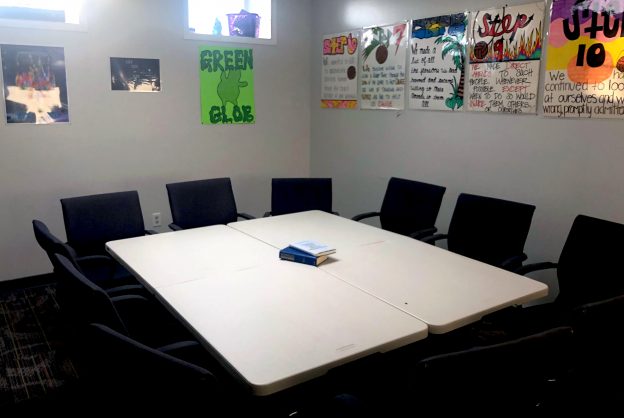
Small group meeting room at Crossroads Program with tables, chairs, and colorful 12-step recovery posters on the wall
By on May 13th, 2026 in Uncategorized

Key Takeaways

  • To find teen substance abuse help in St. Louis, parents should look for signs like behavior changes, declining school performance, and emotional instability.
  • Intensive outpatient programs for teens in St. Louis offer structured therapy multiple times per week while allowing adolescents to stay at home and in school.
  • The best teen substance abuse treatment programs include family involvement, consistent therapy, and support that fits into a teen’s daily routine.


If you are concerned your teen may be struggling with substance use, taking action early can make a real difference. Many parents notice changes but hesitate, unsure if it is serious or where to begin.

Substance use in teens tends to build over time. What may seem like a phase can start to affect school, relationships, and emotional health. Waiting often makes patterns more difficult to address.

At The Crossroads Program, we work with families across St. Louis who are facing these concerns, helping teens build healthier habits through structured outpatient care that fits into everyday life.

Knowing where to start can help you move forward with more confidence.

Where To Start When Your Teen Needs Substance Abuse Help In St. Louis

The first step is understanding what you are seeing and how to respond.

Recognizing When It’s Time To Seek Help

Changes in behavior, mood, or daily habits are often early indicators. These may include withdrawal, irritability, or a drop in school performance.

When these changes begin to affect multiple areas of your teen’s life, it is often a sign that support is needed.

Common Concerns Parents Have

Many parents worry about overreacting or choosing the wrong type of care. It is common to question whether behavior is typical or something more serious.

Looking at patterns over time, rather than isolated incidents, can help guide your decision.

Once you recognize the need for help, the next step is to understand the options available.

Types Of Teen Substance Abuse Treatment Programs

Different levels of care are designed to meet teens where they are.

Outpatient Programs For Teens

Outpatient care allows teens to attend therapy sessions while continuing to live at home. This option works well for mild to moderate concerns.

Intensive Outpatient Programs (IOP)

An intensive outpatient program for teens is a structured level of care where adolescents attend therapy several times per week while living at home. It provides more consistency than weekly counseling while allowing teens to stay connected to school and family.

When Higher Levels Of Care May Be Needed

In more serious situations, a higher level of support may be necessary. A professional assessment can help determine the appropriate level of care.

At The Crossroads Program, we focus on intensive outpatient care that helps teens build stability while staying engaged in their daily environment.

How To Choose The Right Teen Rehab Program In St. Louis

Choosing a program is one of the most important decisions you will make.

What To Look For In A Treatment Center

Look for programs that specialize in adolescent care and offer structured therapy. Experience with teens is essential for effective support.

Questions To Ask Before Getting Started

Ask how often your teen will attend sessions, what types of therapy are included, and how progress is tracked. Clear answers can help you feel more confident in your decision.

Importance Of Family Involvement

Family participation plays a key role in recovery. Programs that include family sessions often lead to better communication and stronger support at home.

Once you understand how to choose a program, it helps to know what the experience will look like.

What To Expect From Teen Substance Abuse Treatment

Understanding what happens in treatment can reduce uncertainty.

How Treatment Plans Are Structured

Treatment plans are based on each teen’s needs. They typically include a mix of therapy, skill building, and support focused on both behavior and underlying causes.

Role Of Therapy And Support Systems

Therapy helps teens develop healthier ways to manage stress, emotions, and decision-making. Support from family and peers plays a major role in maintaining progress.

Substance abuse treatment refers to structured care that helps individuals reduce or stop substance use while improving emotional and behavioral health.

Knowing what to expect can also make it easier to plan financially.

Paying For Teen Substance Abuse Treatment

Cost is often a major concern for families.

Insurance Coverage For Teen Treatment

Many insurance plans cover substance use treatment, including outpatient care. Coverage can vary, so it is important to verify benefits.

Understanding Costs And Payment Options

Costs depend on how often your teen attends treatment and how long care is needed. Outpatient programs are often more accessible for families compared to more intensive options.

How To Think About Cost And Level Of Support

Instead of focusing only on price, it can help to look at how much support your teen needs:

  • Occasional concerns may only require weekly therapy
  • Ongoing patterns often require multiple sessions per week
  • Consistent support can help prevent more serious issues later

This approach helps parents make decisions based on need rather than solely on cost.

Benefits Of Getting Local Teen Substance Abuse Help In St. Louis

Choosing a local program can make treatment more effective.

Staying Close To Family Support

Being close to home allows families to stay involved and engaged. This can improve communication and provide stability.

Maintaining School And Daily Routine

Teens can continue attending school and participating in daily activities. This helps reduce disruption and supports long-term progress.

Local care also allows teens to apply what they are learning in real situations, which can strengthen results.

Finding The Right Support For Your Teen In St. Louis Today

Why Acting Early Matters

Early support can prevent substance use from becoming more severe. Addressing concerns now often leads to better outcomes.

Taking The First Step As A Parent

Reaching out for help can feel difficult, but it is one of the most important steps you can take.

Contact A Teen Treatment Provider

At The Crossroads Program, we provide structured outpatient care that supports teens in a real-world setting. Our intensive outpatient program offers consistent guidance while allowing adolescents to stay connected to their families and schools.

Help Your Teen Take The Next Step with The Crossroads Program

If your teen is struggling with substance use, taking action now can make a lasting difference. The right support can help them build healthier habits while staying connected to school and family.

At The Crossroads Program, we help families in St. Louis find a clear path forward with outpatient care that supports both immediate needs and long-term stability.

If you are ready to get help, reach out to our team today. We are here to help you take the next step with confidence.

People Also Ask

Start by looking for licensed programs that specialize in adolescent care and offer structured outpatient support.

Many teens benefit from outpatient or intensive outpatient programs, depending on the level of support needed.

Yes, outpatient programs are designed to allow teens to continue attending school.

Many insurance plans provide coverage, but it is important to confirm details with your provider.

If substance use begins affecting behavior, relationships, or school performance, it may be time to seek support.

Wooden dock extending into calm ocean waters during a colorful sunset, with sailboats visible on the horizon and dramatic clouds in the sky
By on May 13th, 2026 in Uncategorized

Key Takeaways

  • An intensive outpatient program for teens provides structured therapy while allowing adolescents to live at home and attend school.
  • IOP is often recommended for teens who need more support than weekly therapy but do not require full-time care.
  • IOP helps teens build coping skills in real-life situations, improving stability over time.

If your teen is struggling with substance use or emotional challenges, finding the right level of care can feel unclear. Many parents want support for their child without removing them completely from daily life.

An intensive outpatient program for teens, often called an IOP, is a structured level of care where adolescents attend therapy several times per week while continuing to live at home. Instead of stepping away from school and family, teens receive consistent support while staying connected to their routine.

At The Crossroads Program, we work with families who need this balance, helping teens build healthier habits while remaining engaged in their daily environment.

Understanding how this level of care works can help you decide if it is the right next step.

How Intensive Outpatient Programs Work For Teens

IOP programs are designed to provide structure without full-time separation from home.

Structure And Weekly Schedule

Teens typically attend treatment several days per week for a few hours at a time. Sessions are often scheduled outside of school hours, making it easier to maintain academic responsibilities.

Types Of Therapy Included

Programs include a mix of individual counseling, group therapy, and family sessions. Each type of therapy focuses on helping teens understand their behavior and develop healthier ways to respond to stress and challenges.

How Teens Balance Treatment And Daily Life

One of the main benefits of this level of care is flexibility. Teens attend sessions during the week, then return home where they can apply what they are learning in real situations. This connection between treatment and everyday life often helps reinforce progress in a more practical way.

Who Is A Good Fit For A Teen IOP Program

Not every teen requires the same level of care, and IOP is designed for specific situations.

Signs A Teen May Need Outpatient Support

Teens who show ongoing changes in behavior, emotional struggles, or substance use patterns may benefit from structured support. These concerns often begin to affect school, relationships, and daily functioning.

When IOP Is Recommended Over Other Levels Of Care

This level of care is often recommended for teens who need more than occasional therapy but are stable enough to remain at home. It can also be used after a higher level of care to maintain progress during transition back into daily life.

At The Crossroads Program, we help families determine whether outpatient care is the right fit based on each teen’s situation.

Benefits Of Intensive Outpatient Programs For Adolescents

IOP offers a balance between structure and independence that many teens respond well to.

Staying At Home During Treatment

Remaining at home allows families to stay involved and supportive throughout the process. This can strengthen communication and create a more stable environment.

Maintaining School And Social Routine

Teens can continue attending school and participating in daily activities. This helps reduce disruption and keeps them connected to their normal routine.

Building Real World Coping Skills

Because teens are not removed from their environment, they are able to use new coping strategies right away. This can make a noticeable difference when managing stress, peer pressure, and emotional challenges.

Types Of Therapy Used In Teen IOP Programs

Therapy is the foundation of outpatient treatment and supports both emotional and behavioral change.

Individual And Group Counseling

Individual therapy gives teens a space to work through personal challenges, while group therapy helps them connect with peers and build social awareness.

Family Therapy In Outpatient Care

Family involvement is an important part of treatment. These sessions focus on improving communication and strengthening relationships at home.

Skill Building And Relapse Prevention

Teens learn practical skills such as managing stress, handling peer pressure, and making healthier decisions. These skills help reduce the risk of returning to substance use.

Intensive Outpatient Vs Inpatient Treatment For Teens

Understanding different levels of care can help you decide what kind of support your teen needs right now.


Level Of Care

Time Commitment

Structure Level

Best Fit For

Weekly Therapy

1 session per week

Low

Mild concerns or early signs

Intensive Outpatient (IOP)

Multiple sessions per week

Moderate to high

Ongoing behavior or substance use concerns


Key Differences In Structure And Support

This comparison helps show where IOP fits. It offers more consistency and support than weekly therapy while still allowing teens to stay at home and continue their daily routine.

When Intensive Outpatient Care Is The Right Step

IOP is often a good option when a teen needs more structure than occasional counseling but does not need to step away from school or family life. It provides consistent guidance, accountability, and skill building in a setting that still feels familiar.

How Long Does A Teen Intensive Outpatient Program Last

Treatment length can vary depending on each teen’s needs and progress.

Typical Program Length

Most programs last several weeks to a few months. The exact length depends on how the teen responds to treatment and the level of support needed.

What Progress Looks Like Over Time

Progress often begins with increased awareness, followed by improved coping skills and more stable behavior. Over time, teens gain confidence in handling challenges without relying on substances.

At The Crossroads Program, we monitor progress closely and adjust care as needed to support continued improvement.

Getting Started With A Teen Intensive Outpatient Program

What Parents Should Expect During Intake

The intake process typically includes an assessment to better understand your teen’s needs. This helps determine the appropriate level of care.

Taking The First Step Toward Treatment

Reaching out for help can feel overwhelming, but it is an important step in addressing concerns early.

Contact A Teen IOP Provider Today

At The Crossroads Program, we offer intensive outpatient care that supports teens in a real-world setting. Our program provides structure, guidance, and accountability while allowing adolescents to stay connected to their families, school, and daily responsibilities.

Support Your Teen With The Right Level Of Care

Choosing the right level of care for your teen can feel uncertain, but understanding how an intensive outpatient program works can make the decision clearer. This type of care provides support while allowing teens to stay connected to the parts of life that matter most.

At The Crossroads Program, we help families take the next step with outpatient care that supports both immediate needs and long-term stability.

If you are considering treatment for your teen, reach out to our team today. We are here to help you move forward with confidence.

FAQs

It is a structured program where teens attend therapy several times per week while living at home.

Most programs meet multiple days per week, often scheduled around school hours.

Yes, it provides consistent support while allowing teens to apply what they learn in daily life.

Yes, outpatient programs are designed to allow teens to continue their education.

If your teen needs more support than weekly therapy but does not require full-time care, this may be an appropriate option.

Ambulance with flashing lights stopped at a city intersection as pedestrians cross and a cyclist rides past, with buildings and traffic in the background
By on May 13th, 2026 in Uncategorized

Key Takeaways

  • Common signs your teen may be using drugs include behavior changes, secrecy, mood swings, and a loss of interest in daily activities.
  • Physical symptoms like changes in sleep, low energy, and poor hygiene often appear as teen substance use becomes more frequent.
  • Early intervention and intensive outpatient programs can help teens address substance use while staying in school and living at home.

If you feel like something is off with your teen, it is worth paying attention. Parents are often the first to notice small shifts that signal a deeper issue.

Drug use in teens usually develops over time. What may begin as subtle behavior changes can start to affect emotional health, decision-making, and daily routines. Acting early can make a meaningful difference.

At The Crossroads Program, we work with families who are facing these concerns, helping teens build healthier habits through structured outpatient care that fits into real life.

Understanding the signs can help you respond with clarity and confidence.

Early Warning Signs Of Drug Use In Teenagers

Recognizing early warning signs can help prevent substance use from becoming more serious.

Subtle Changes Parents Often Miss

Early signs are not always obvious. Teens may begin to act differently in small ways, such as becoming more distant or less communicative. You might notice changes in tone, attitude, or willingness to engage with family.

These shifts often happen gradually, which is why they are easy to overlook at first.

Why Early Signs Matter

Early intervention means addressing concerns before they turn into consistent patterns. When teens receive support at this stage, they are more likely to regain stability before substance use begins affecting multiple areas of life.

As these early signs continue, behavior often becomes more noticeably different.

Behavioral Signs Your Teen May Be Using Drugs

Behavior is often the clearest signal that something is wrong.

Sudden Mood Swings And Irritability

Frequent emotional changes, irritability, or unexplained frustration can point to underlying issues. While some mood shifts are part of adolescence, consistent patterns may signal substance use.

Loss Of Interest In Activities

Teens may lose interest in hobbies, sports, or social activities they once enjoyed. This withdrawal can be gradual and easy to miss early on.

Secretive Or Defensive Behavior

Secrecy often increases as substance use develops. Teens may hide their phone, avoid sharing details about their day, or react defensively to simple questions.

Behavioral warning signs are often the first clear indicators because they reflect changes in habits, communication, and emotional responses.

These behavioral patterns are often followed by physical changes.

Physical Signs Of Drug Use In Teens

Physical symptoms can provide additional clarity when paired with behavioral changes.

Changes In Sleep And Energy Levels

Teens may begin sleeping more than usual or struggle with irregular sleep patterns. Energy levels may shift without a clear reason.

Appearance And Hygiene Changes

A decline in personal hygiene or appearance may indicate a loss of motivation or focus.

Unusual Smells Or Bloodshot Eyes

Certain substances can leave noticeable signs, including odors on clothing or changes in eye appearance.

How Physical And Behavioral Signs Progress Together

Instead of looking at one symptom on its own, it helps to understand how signs often develop over time:


Stage

What You May Notice First

What May Follow

Early Changes

Mood shifts, secrecy

Loss of interest, withdrawal

Developing Pattern

Sleep issues, low energy

Hygiene changes, irritability

Ongoing Concern

Skipping school, isolation

Physical symptoms, conflict


This progression shows how small changes can build into more noticeable patterns if left unaddressed.

These physical signs often connect with changes in school and relationships.

Social And Academic Changes Linked To Substance Use

Substance use often affects how teens function in daily life.

Declining Grades Or School Attendance

A drop in academic performance is one of the more noticeable signs. Teens may struggle to focus, miss assignments, or skip school.

New Or Concerning Friend Groups

A sudden change in friendships can signal new influences. Teens may begin spending time with peers who encourage risky behavior.

Withdrawal From Family

Teens may distance themselves from family conversations or avoid time at home. This shift can make it harder to stay connected and understand what they are experiencing.

Changes at home often reflect what is happening in other areas of their life, which is why patterns matter more than isolated behaviors.

Common Causes Of Teen Drug Use

Understanding the reasons behind substance use can help guide how to respond.

Peer Pressure And Social Influence

Teens often feel pressure to fit in. Social environments can influence decisions around substance use.

Mental Health And Emotional Struggles

Challenges such as anxiety or depression can increase the likelihood of substance use as a way to cope.

Stress And Coping Challenges

Academic expectations, social pressure, and family dynamics can create stress. Without healthy coping strategies, teens may turn to substances.

Recognizing these causes helps determine when it is time to step in.

When To Be Concerned About Your Teen’s Behavior

It can be difficult to know when behavior shifts from typical to concerning.

Occasional Experimentation Vs Ongoing Use

Some teens may experiment, but repeated use or reliance on substances is a stronger concern.

Signs It May Be Time To Seek Help

If you notice a combination of behavioral changes, physical symptoms, and shifts in your school or social life, it may be time to take the next step.

At The Crossroads Program, we help families recognize when patterns move beyond typical teenage behavior and into something that requires structured support.

What To Do If You Think Your Teen Is Using Drugs

Taking action early can help prevent further challenges.

How To Talk To Your Teen

Approach the conversation calmly and without judgment. Focus on expressing concern rather than making accusations.

When To Seek Professional Support

If concerns continue or worsen, professional support can provide guidance and structure.

Finding The Right Treatment Option

Programs that allow teens to stay connected to home and school can provide support while maintaining stability in daily life.

Getting Help For Teen Substance Use

Why Early Support Matters

Early support helps teens build healthier coping strategies before substance use becomes more established.

Taking The First Step As A Parent

Reaching out for help can feel overwhelming, but it is one of the most important steps you can take.

Contact A Treatment Provider Today

At The Crossroads Program, we provide outpatient care that helps teens build healthier habits while staying connected to their families and schools. Our Intensive Outpatient Program (IOP) is a structured level of care where teens attend therapy several times per week while continuing to live at home. This approach offers consistent support, accountability, and skill-building without removing them from their daily environment.

Contact The Crossroads Program Today

If you are noticing signs your teen may be using drugs, acting early can make a meaningful difference. These patterns often develop over time, and addressing them now can help prevent further impact on your teen’s health and future.

At The Crossroads Program, we work with families to provide structured outpatient care that supports real-life routines and long-term stability.

If you are concerned about your teen, reach out to our team today. We are here to help you take the next step with confidence.

FAQs

Behavior changes, secrecy, mood swings, and declining school performance are common signs that may indicate substance use.

Early signs often include emotional changes, withdrawal from activities, and subtle behavioral shifts.

Yes, approach the conversation calmly and focus on concern rather than judgment to encourage open communication.

If substance use affects daily life or continues over time, professional support is recommended.

Yes, outpatient programs provide structured support while allowing teens to stay at home and continue school.

Group of four teenagers standing in a field with arms around each other, facing the horizon, symbolizing friendship, support, and connection
By on May 13th, 2026 in Uncategorized

Key Takeaways

  • Recognizing early warning signs of teen substance use can help parents take action before patterns become harder to change.
  • Outpatient treatment programs allow teens to receive structured care while staying in school and living at home.
  • Choosing a program with family involvement can improve long-term stability and reduce the risk of relapse.


If you are worried your teen may be using drugs or alcohol, it is important to act early. Changes in behavior, declining school performance, or emotional distance are often signs that something deeper may be going on.

Teen substance use can progress quickly. What may begin as occasional use can start to affect decision-making, relationships, and overall mental health. Many families wait, hoping things will improve, but early support often leads to better outcomes.

At The Crossroads Program, we work with teens and families facing these concerns, helping them take clear steps toward stability through structured outpatient care.

In Kansas City, there are treatment options that allow teens to receive help while continuing their daily routines. Understanding these options can help you make a confident decision for your child.

How Teen Substance Use Is Affecting Families In Kansas City

Substance use among teens continues to impact families across Kansas City. Many parents first notice subtle changes before realizing the full scope of the problem.

Common Substances Teens Are Using

Teens may experiment with alcohol, marijuana, prescription medications, or other substances. Access and peer influence often play a role, especially during high school years.

Why Early Use Can Escalate Quickly

Teen substance use often escalates because adolescents are still developing impulse control and decision-making skills. Repeated use can shift from occasional behavior into a habit that affects daily functioning.

These patterns often lead families to take a closer look at specific warning signs.

Warning Signs Of Drug Or Alcohol Use In Teenagers

Recognizing warning signs early can help prevent more serious consequences.

Changes In Behavior And Personality

Teens may become more secretive, withdrawn, or defensive. A noticeable shift in attitude or motivation can signal a deeper issue.

Physical And Social Red Flags

Physical changes such as fatigue, bloodshot eyes, or poor hygiene may appear alongside social withdrawal or a sudden change in peer groups.

When To Take Concerns Seriously

If substance use begins affecting school, relationships, or emotional stability, it is time to consider professional support. Waiting can make patterns more difficult to address.

Once parents recognize these signs, the next step is understanding how treatment works.

What Teen Addiction Treatment Looks Like In Kansas City

Knowing what happens during treatment can make the process feel more manageable.

How Programs Are Structured For Teens

Teen addiction treatment is built around structure and consistency. Programs focus on helping teens develop healthier coping skills while addressing the underlying reasons for substance use.

The Role Of Therapy And Peer Support

Therapy plays a central role in treatment. Individual sessions help teens process emotions, while group settings allow them to connect with peers facing similar challenges.

Building Healthy Coping Skills

Teens are taught practical ways to manage stress, handle peer pressure, and make better decisions. These skills are essential for long-term stability.

Understanding how treatment works naturally leads to choosing the right level of care.

Outpatient Rehab Options For Teens In Kansas City

Not every teen requires the same level of support. Outpatient care is often a strong starting point.

Intensive Outpatient Programs Explained

Intensive Outpatient Programs (IOP) provide structured care several days per week while allowing teens to live at home. This level of care supports consistency without removing teens from their environment.

Partial Day Treatment Programs

Partial programs offer more hours of care during the day but still allow teens to return home in the evening.

Comparing Outpatient And Residential Care


Program Type

Living Situation

Level Of Structure

Outpatient

At home

Moderate

Partial

At home

High

Residential

On-site

Full-time


At The Crossroads Program, we focus on outpatient care that allows teens to stay connected to family and school while receiving structured support.

For many families, this balance makes outpatient care a practical option.

Benefits Of Local Teen Rehab Programs In Kansas City

Choosing a program close to home can provide added stability during treatment.

Staying Close To Family Support

Family involvement is a key part of recovery. Being close to home allows parents to stay engaged in the process.

Maintaining School And Daily Routine

Teens can continue attending school and maintaining daily responsibilities. This helps reduce disruption and supports long-term progress.

Access To Community Resources

Local programs often connect families with additional support systems, including counseling and peer groups within the community.

With these benefits in mind, selecting the right program becomes the next priority.

How Parents Can Choose A Teen Rehab Program In Kansas City

Finding the right program requires careful consideration.

What To Look For In A Treatment Center

Look for licensed programs with experienced staff who specialize in adolescent care. This helps provide a higher level of support.

Questions To Ask Before Enrolling

Parents may want to ask about program structure, therapy methods, and family involvement. Clear answers can help guide your decision.

Importance Of Family Participation

Programs that include family therapy often lead to stronger communication and better outcomes at home.

At The Crossroads Program, we involve families throughout the process, helping create a supportive environment that extends beyond treatment sessions.

Getting Help For Teen Drug And Alcohol Use In Kansas City

Why Acting Early Matters

Early action can prevent substance use from becoming more severe. Addressing concerns now can make a meaningful difference.

Taking The First Step As A Parent

Reaching out for help may feel difficult, but it is one of the most important steps you can take.

Contact The Crossroads Program

Speaking with a treatment provider can help you understand your options and determine the best next step.

Support Your Teen With Outpatient Treatment Options

Watching your teen struggle with substance use can feel overwhelming, but support is available. The right treatment program can provide structure, guidance, and accountability while allowing your teen to stay connected to daily life.

At The Crossroads Program, we help families take the next step with outpatient care designed to support teens in a real-world setting.

If you are ready to get help, reach out to our team today. We are here to help you decide what level of care is right for your teen.

People Also Ask

If you notice changes in behavior, school performance, or relationships, it may be time to seek professional support.

Yes, many outpatient programs are structured to allow teens to continue attending school while receiving care.

It is a structured treatment option where teens attend therapy several times per week while living at home.

Treatment length varies, but many programs last several weeks to a few months, depending on individual needs.

Many insurance plans provide coverage, but it is important to confirm details with your provider or treatment center.

By on April 3rd, 2026 in Uncategorized

Key Takeaways

  • Recognizing early signs of teen drug and alcohol use can help parents take action before substance use becomes more serious.
  • Intensive outpatient programs for teens in St. Louis provide structured support while allowing adolescents to stay in school and at home.
  • Choosing a teen rehab program that includes family involvement can improve long-term recovery and reduce the risk of relapse.

If you’re worried your teen may be using drugs or alcohol, it’s important to take that concern seriously. Changes in behavior, school performance, or attitude are often early warning signs that something deeper may be going on.

Teen substance use can start small but quickly turn into a pattern that affects emotional health, decision-making, and daily life. Waiting too long to act can make it harder to address.

At The Crossroads Program, we work with teens and families in St. Louis who are facing these challenges, helping them take clear and practical steps toward stability.

In St. Louis, there are treatment options that allow teens to get help while staying connected to home and school. Understanding how these programs work can help you make the right decision for your child.

Signs Your Teen May Need Drug Or Alcohol Rehab

Recognizing the early signs of substance use can help prevent more serious issues from developing.

Behavioral And Emotional Warning Signs

Behavioral changes are often the first indicators. Teens may become more secretive, withdrawn, or defensive when asked simple questions. You might notice:

  • Sudden changes in friend groups
  • Loss of interest in activities
  • Increased irritability or mood swings

These shifts often happen gradually, making them easy to overlook at first.

Physical Signs Of Substance Use

Physical symptoms can vary depending on the substance, but may include:

  • Bloodshot or glassy eyes
  • Frequent fatigue
  • Noticeable changes in weight or hygiene

While these signs alone don’t confirm substance use, patterns over time can point to a deeper issue.

When Experimentation Becomes A Pattern

Substance use becomes a concern when it continues despite negative consequences. If your teen relies on substances to cope with stress, anxiety, or social pressure, professional support may be necessary.

Once these signs are clear, many parents begin asking what treatment actually involves.

Teen Drug And Alcohol Rehab In St. Louis: What To Expect

Knowing what happens during treatment can reduce uncertainty and help families feel more prepared.

How Teen Treatment Differs From Adult Care

Teen rehab programs focus on development, emotional regulation, and decision-making. Adolescents are still developing coping skills, so treatment includes guidance on managing stress and improving communication.

A Typical Day In A Teen Program

In an intensive outpatient setting, teens attend structured sessions several times a week. These sessions may include:

After sessions, teens return home and continue their regular routines.

Creating A Supportive Environment

A strong program provides structure while keeping teens connected to their everyday lives. This allows them to practice new skills in real situations, which can strengthen long-term progress.

From here, families often want to understand the different levels of care available.

Types Of Teen Rehab Programs

Different programs are designed to meet teens at different stages of substance use.

Intensive Outpatient Programs For Teens In St. Louis

Intensive Outpatient Programs (IOP) are structured treatment programs that allow teens to live at home while attending therapy multiple times per week. This level of care provides consistency without removing teens from their environment.

Partial Hospitalization Programs For Adolescents

Partial Hospitalization Programs (PHP) offer a higher level of care. Teens attend treatment for most of the day but still return home at night.

Residential Vs Outpatient Treatment For Teens

Residential treatment involves living at a facility full-time, while outpatient care allows teens to stay at home. Many families choose outpatient options when substance use is moderate, and home support is stable.

For many teens, outpatient care offers the right balance of structure and independence.

Why Intensive Outpatient Treatment Works For Teens

This level of care is often a strong fit for teens who need support but can remain at home.

Flexibility For School And Family Life

Teens can continue attending school and maintaining routines, which helps reduce disruption and keeps them connected to their support system.

Real World Skill Development

Because teens remain in their daily environment, they can apply what they learn right away. This helps reinforce healthier habits and better decision-making.

Structured Support Without Full-Time Separation

Regular therapy sessions provide accountability while still allowing independence. This balance can help teens stay engaged in treatment without feeling isolated.

At The Crossroads Program, we provide structured outpatient care that fits into a teen’s daily life, allowing them to build healthier habits while staying connected to school and family.

As parents narrow down options, choosing the right center becomes the next step.

How To Choose The Right Teen Rehab Center In St. Louis

Finding the right program can feel overwhelming, but focusing on a few key factors can help.

Licensing, Accreditation, And Experience

Look for programs that are properly licensed and staffed by professionals experienced in adolescent care. This helps ensure your teen receives appropriate support.

Family Involvement And Therapy Options

Family therapy is a key part of teen treatment. Programs that involve parents often lead to stronger communication and better outcomes at home.

Evidence-Based Treatment Approaches

Effective programs use proven methods such as behavioral therapy and group counseling. These approaches help teens understand their behavior and build healthier patterns.

Once a program is selected, cost is often the next concern.

Paying For Teen Rehab In St. Louis: Insurance And Costs Explained

Understanding financial options can make treatment feel more accessible.

Does Insurance Cover Teen Addiction Treatment

Many insurance plans cover substance use treatment, including outpatient programs. Coverage varies, so it’s important to verify benefits.

Understanding Out-of-Pocket Costs

Costs depend on the level of care and length of treatment. Outpatient programs are generally more affordable than residential options.

Financial Options For Families

Some centers offer payment plans or financial assistance. Speaking with an admissions team can provide clarity and help families plan ahead.

With these details in place, families are often ready to take action.

Getting Help For Teen Addiction In St. Louis Today

When To Take The First Step

If substance use is affecting your teen’s behavior, relationships, or well-being, it’s time to seek help. Acting early can prevent more serious challenges.

How Early Support Improves Outcomes

Early intervention helps teens build healthier coping skills before patterns become more difficult to change.

Start Your Teen’s Recovery Today

Reaching out may feel difficult, but support is available. Taking that first step can help your teen regain stability and confidence.

Support Your Teen With Professional Help at The Crossroads Program

Seeing your teen struggle with substance use can feel overwhelming, but you don’t have to face it alone. The right treatment program can provide structure, support, and guidance while allowing your teen to stay connected to home and school.

At The Crossroads Program, we help families in St. Louis find a clear path forward with supportive outpatient care designed specifically for teens.

If you’re ready to take the next step, reach out to our team today. We’re here to help you understand your options and decide what level of care is right for your teen.

People Also Ask

If behavior, school performance, or relationships are being affected, it may be time to seek professional support.

Yes, outpatient programs are designed to fit around school schedules and daily responsibilities.

It is a structured program where teens attend therapy several times per week while living at home.

Treatment length varies, but many programs last several weeks to a few months, depending on individual needs.

Many insurance plans provide coverage for treatment, but benefits should be confirmed with your provider or the treatment center.